
Upcoming Events
Oct
28
Mon
10:30
DAWN journal club
DAWN journal club
Oct 28 @ 10:30 – 11:00
Weekly paper discussion session. For the current agenda, upcoming moderators, and other details, please visit cosmicdawn.dk/wikidawn/dawn-activities/journal-club.
Nov
4
Mon
10:30
DAWN journal club
DAWN journal club
Nov 4 @ 10:30 – 11:00
Weekly paper discussion session. For the current agenda, upcoming moderators, and other details, please visit cosmicdawn.dk/wikidawn/dawn-activities/journal-club.
Nov
11
Mon
10:30
DAWN journal club
DAWN journal club
Nov 11 @ 10:30 – 11:00
Weekly paper discussion session. For the current agenda, upcoming moderators, and other details, please visit cosmicdawn.dk/wikidawn/dawn-activities/journal-club.
Nov
18
Mon
10:30
DAWN journal club
DAWN journal club
Nov 18 @ 10:30 – 11:00
Weekly paper discussion session. For the current agenda, upcoming moderators, and other details, please visit cosmicdawn.dk/wikidawn/dawn-activities/journal-club.
Post Tagged with: "Reionization"
-
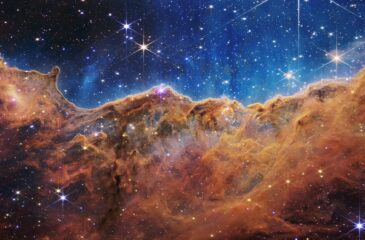
Invisible Galaxies, Through a Scientist’s Eyes
Glimpsing into the galaxies of the past: that is the daunting task that students from the University of Copenhagen have undertaken by analysing so-called Lyman-α emission. While this radiation, stemming from hydrogen, is difficult to observe, investigating alternative quantities from light spectra can depict a more accurate representation of early galaxies and their characteristics.
 Astro-Pic Of the Day
- Comet Tsuchinshan-ATLAS over CaliforniaThe tails of Comet Tsuchinshan-ATLAS were a sight to behold